
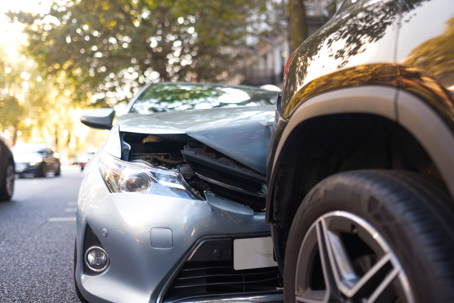
Getting into a car accident is stressful enough on its own. But when you find out the other driver doesn’t have insurance, that stress can quickly turn into confusion and frustration. You may start asking yourself: Who is going to pay for my medical bills? What about my car? Am I stuck covering everything myself?
If you’re driving in Conroe, TX, this situation can feel especially overwhelming because Texas law requires drivers to carry liability insurance—yet not everyone follows the rules. When the at-fault driver is uninsured, the path forward isn’t always obvious, but that doesn’t mean you’re out of options.
This guide walks you through what it really means when the other driver has no insurance, how your own coverage may protect you, and what steps you can take to recover financially and move forward with confidence.
What It Means When the At-Fault Driver Is Uninsured
When a driver is uninsured, it simply means they don’t carry the legally required auto insurance coverage. In Texas, drivers are supposed to have liability insurance that covers the damage they cause to others. Without it, there’s no built-in financial safety net for victims.
So, what does that mean for you?
If the uninsured driver caused the accident, you can’t rely on their insurance company because there isn’t one. That changes how your claim is handled from the very beginning.
Here’s how this situation typically impacts you:
- No direct insurance claim against the at-fault driver
- Greater reliance on your own insurance policies
- Potential need to pursue legal action directly against the driver
- Increased financial uncertainty without proper coverage
It’s also important to understand that “uninsured” doesn’t always mean the driver deliberately avoided coverage. Sometimes policies lapse, or drivers may not realize their insurance is no longer active. Regardless of the reason, the effect on you remains the same.
This is why understanding your own insurance coverage becomes crucial, especially when the other party can’t pay for the damage they caused.
How Uninsured and Underinsured Motorist Coverage Works
One of the most important protections you can have in Texas is Uninsured/Underinsured Motorist (UM/UIM) coverage. This type of insurance is designed specifically for situations like this—when the at-fault driver either has no insurance or not enough to cover your losses.
Even though insurance companies must offer UM/UIM coverage in Texas, you can decline it in writing. Many drivers don’t realize how valuable it is until they need it.
What UM/UIM Coverage Can Help Pay For
UM/UIM coverage can step in to cover a range of accident-related expenses, including:
- Medical bills
- Lost wages
- Pain and suffering
- Vehicle repair or replacement
- Other out-of-pocket costs related to the accident
How It Works in Practice
If you’re hit by an uninsured driver in Conroe:
- You file a claim with your own insurance company under your UM coverage.
- Your insurer essentially steps into the role of the at-fault driver’s insurer.
- You must still prove fault and damages, just as you would in a typical claim.
That last point can surprise some people. Even though you’re dealing with your own insurance company, they don’t automatically approve your claim. They may still investigate the accident and question the extent of your injuries or losses.
Underinsured Coverage
If the other driver has insurance but not enough to cover your damages, underinsured motorist coverage fills the gap. For example:
- If your damages exceed the other driver’s policy limits
- Your UIM coverage can make up the difference (up to your policy limit)
This type of protection can make a significant difference in serious accidents where costs add up quickly.
What Steps to Take After an Accident with an Uninsured Driver
The moments after an accident are critical, especially when you suspect the other driver may not have insurance. Staying calm and taking the right steps can protect your health and your ability to recover compensation later.
At the Scene of the Accident
Start with the basics:
- Call 911 to report the accident and request medical help if needed
- Exchange information with the other driver (even if they admit they don’t have insurance)
- Document everything, including:
- Photos of vehicle damage
- Road conditions
- License plates
- Any visible injuries
If there are witnesses, try to get their contact information as well.
After Leaving the Scene
Once you’re safe, take these next steps:
- Seek medical attention, even if injuries seem minor
- Notify your insurance company as soon as possible
- Request a copy of the police report
- Keep records of all expenses and communications
Avoid Common Mistakes
It’s easy to make decisions in the moment that can hurt your claim later. Try to avoid:
- Admitting fault or apologizing in a way that suggests blame
- Delaying medical care
- Accepting informal payment offers from the other driver
- Posting details about the accident on social media
Taking these precautions helps preserve your rights and strengthens any claim you may need to pursue.
What Compensation Options May Be Available to You
When the at-fault driver is uninsured, compensation doesn’t disappear—it just comes from different sources. Understanding your options can help you make informed decisions about your next steps and avoid unnecessary financial strain.
1. Your Own Uninsured Motorist Coverage
As mentioned earlier, your first and most important resource is often your Uninsured Motorist (UM) coverage. This is specifically designed for situations where the at-fault driver has no insurance.
It may help cover:
- Medical expenses
- Lost income
- Pain and suffering
- Damage to your vehicle
Because this coverage essentially replaces the at-fault driver’s insurance, it becomes the backbone of your financial recovery in many cases.
2. Additional First-Party Insurance Benefits
Beyond UM coverage, your policy may include other protections that can help ease the financial burden.
These may include:
- Personal Injury Protection (PIP) for immediate medical costs and lost wages
- Medical Payments Coverage (MedPay) for healthcare expenses
- Collision coverage to repair or replace your vehicle
These benefits can often be accessed more quickly and don’t always require proving fault, which can be helpful early in the recovery process.
3. Filing a Lawsuit Against the Uninsured Driver
You also have the option to pursue a personal injury claim directly against the at-fault driver. While this is a valid legal route, it’s important to approach it with realistic expectations.
Some challenges include:
- The driver may not have the financial means to pay damages
- Collecting compensation can be a long and difficult process
- Legal expenses and time commitments can add up
Still, if the driver has assets or income, this path may provide an additional opportunity for recovery.
4. Identifying Third-Party Liability
Not every accident is caused by just one person. In some cases, another party may share responsibility, which can open the door to additional compensation.
Examples include:
- A company if the driver was working at the time of the crash
- A manufacturer, if a vehicle defect contributed to the accident
- A property owner if unsafe road conditions played a role
Looking beyond the obvious can sometimes uncover sources of compensation that aren’t immediately clear.
5. Reimbursement and Out-of-Pocket Recovery
Even with insurance, you may need to pay for certain expenses upfront. This can feel overwhelming, but those costs may not be permanent.
You may be able to recover expenses through:
- Insurance reimbursements
- Settlement agreements
- Legal claims against responsible parties
This is why keeping organized records, like medical bills, repair invoices, receipts, and correspondence, is so important. Every detail can support your claim and help ensure you’re properly compensated.
How a Personal Injury Attorney Can Help You Recover Compensation
When you’re dealing with an uninsured driver, the process can quickly become more complicated than a typical accident claim. That’s where having the right legal support can make a meaningful difference.
A personal injury attorney from Scott Law Firm can help you:
- Review your insurance policies and identify all available coverage
- Handle communication with insurance companies on your behalf
- Gather evidence to support your claim
- Evaluate whether pursuing a lawsuit makes sense in your situation
- Negotiate for a fair settlement that reflects your losses
More importantly, we help take the pressure off you during a time when you should be focused on recovery—not paperwork, negotiations, or legal strategy. The right guidance ensures that your rights are fully protected every step of the way.
If you’ve been involved in an accident with an uninsured driver, working with our knowledgeable team can help you move forward with clarity and confidence. Our office in downtown Conroe has a team ready to help you recover, and you can call us at (936) 243-4299 or fill out our online form to book a consultation.