The Fourth of July brings all the ingredients of a perfect summer celebration—barbecues, parades, pool parties, and, of course, fireworks. It’s a time when friends and families gather to relax and make memories. But amid the fun, this holiday also comes with its fair share of risks. Whether it’s a stray firework, a hot grill, or a crowded public event, one moment of carelessness can lead to painful and sometimes life-altering injuries.
When that happens, it's important to know where to turn and how the law protects you. A holiday injury doesn't just ruin the day—it can impact your health, finances, and future. This guide breaks down what can go wrong during Fourth of July celebrations, who may be held responsible, and what steps you should take if you're injured. If you've been hurt in a holiday-related accident, understanding your rights isn’t just helpful, it’s necessary.
Holiday Hazards: What Can Go Wrong on the Fourth of July
The Fourth of July may be festive, but it’s also full of potential risks that many people overlook. What begins as a fun-filled day can take a sudden turn if someone drops the ball on safety.
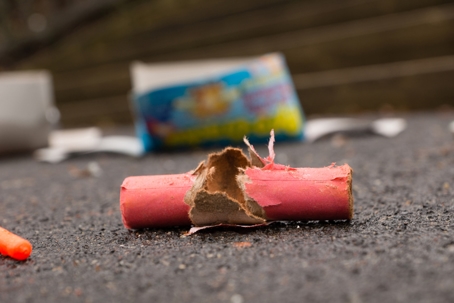
- Firework Mishaps. Backyard fireworks often go off without a hitch until they don’t. Misfires, poor handling, and illegal fireworks can all lead to burns, eye injuries, or worse. Even sparklers, often handed to kids, burn hot enough to cause serious harm.
- Grill Accidents. Grilling is another holiday staple, but that sizzling burger comes with dangers. Flare-ups, grease fires, gas leaks, or unstable grills can cause painful burns. Sometimes it's due to faulty equipment, sometimes human error, but the outcome can be severe.
- Slips, Trips, and Falls. Pool decks, crowded patios, or uneven lawn areas can quickly become hazardous. Wet surfaces and makeshift party setups create perfect conditions for injuries. And when fireworks or lightning are involved, poor visibility only adds to the danger.
- Overcrowded public events. Whether it’s a city-run fireworks display or a local fair, large crowds pose a set of risks, from trampling during poorly managed events to accidents involving public fireworks displays or vendor equipment.
What ties all these hazards together is the simple fact that they’re often preventable. And when prevention fails, the law steps in to figure out who’s responsible.
Who’s Responsible? Understanding Liability for Fireworks and Grilling Accidents.
After a holiday injury, one of the first questions people ask is: who’s at fault? When it comes to fireworks and grills, liability can get complicated.
- The Host's Responsibility. If you were at a private party, the homeowner or host might be liable if they failed to provide a reasonably safe environment. For example, if someone set off fireworks too close to guests, used illegal fireworks, or allowed children unsupervised access to dangerous items, they could be held accountable.
- Product Defects. Sometimes the firework or grill itself is the problem. If a device malfunctions despite being used properly, the manufacturer or retailer might be responsible for the injury under product liability law. This includes defective lighters, propane tanks, or fireworks that explode unpredictably.
- Improper Setup or Use. Improperly installed grills, unsecured fireworks, or reckless handling all raise red flags. Liability may also fall on the person who was operating the device if their negligence caused the injury.
- Shared spaces. If an injury happened in a shared or rented space like an Airbnb, condo patio, or apartment pool, the property owner or manager may carry some legal responsibility, depending on the condition of the space and their role in the event.
Understanding liability isn’t always straightforward. That’s why it’s critical to gather facts early and speak with someone who can help make sense of them.
Injured at a Party or Public Event? What You Need to Know.
Holiday injuries don’t just happen in backyards. Many people attend community events where responsibility can be harder to pinpoint. If you’re injured at a public Fourth of July celebration, several different parties could be involved.
- The Event Organizer. If the event was poorly planned or didn’t have proper safety protocols, the organizer might be liable. This could be a city, aprivate business, or nonprofit. For example, if fireworks were launched too close to the audience or if there was no clear emergency access, that’s a red flag.
- Vendors and Third Parties. Food trucks, ride operators, and fireworks companies each carry their own responsibilities. If an injury stemmed from one of these third-party services, they may be directly liable, especially if the equipment they brought or the services they provided created a dangerous situation.
- Venue Owners. The owners of the venue or land used for the event may also bear some responsibility. Uneven walking paths, exposed wires, or a lack of signage can all be considered forms of negligence.
- Security and Crowd Control. Injuries from overcrowding or trampling can result from poor security management. If there were not enough staff or the exits were unclear or blocked, responsibility could fall on those in charge of keeping the event safe.
Public event injuries often require more investigation than private ones. And because municipalities and businesses are often involved, there are strict timelines and legal procedures you have to follow—something a personal injury attorney can help navigate.
Steps to Take After a Holiday-Related Injury
Whether you're hurt by a firework, fall, or grill accident, the actions you take immediately after the injury can significantly impact your recovery, both medically and legally.
- Get Medical Care Immediately. Even if you think it’s minor, always get checked out. Some injuries take time to reveal their full impact. Having documentation from a healthcare provider establishes a record that can support your claim.
- Document the Scene. Take photos or videos of where and how the injury occurred. Capture details like the condition of the area, any visible hazards, or how the injury happened. If there are witnesses, ask for their names and contact info.
- Report the Incident. If you’re at a public event, notify event staff or security. For injuries on someone’s private property, inform the homeowner or host. If it happened at a rental or commercial property, contact management right away. Request a written incident report if one is available.
- Preserve Evidence. Keep any clothing, items, or materials related to the accident. If a firework or grill was involved, don’t throw away the device. This kind of physical evidence can be crucial in proving fault later.
- Don’t Talk to Insurers Alone. Insurance adjusters may reach out quickly. Be cautious. Their goal is often to settle fast and for less than what you may deserve. Don’t agree to anything or give a recorded statement before talking to a personal injury attorney.
Every step you take after an injury can either help or hurt your case. Having a game plan in place can give you clarity when everything feels chaotic.
How a Personal Injury Attorney Can Help After a Fourth of July Accident
After a holiday injury, people can feel overwhelmed and unsure of what’s next. Maybe you’re dealing with pain, medical bills, time off work, or emotional stress. Navigating the legal system alone in this state isn’t just hard, it’s unfair. That’s where working with a personal injury attorney from Scott Law Firm comes in.
Here’s how we can help:
- Investigate the Incident Thoroughly. We can gather evidence, identify witnesses, and piece together what really happened. We’ll also determine who’s legally responsible and who should be held accountable.
- Handle Communications and Negotiations. Rather than dealing with insurers or opposing parties yourself, we take the reins. That means no pressure tactics, no rushed settlements, and no confusing legal language standing in your way.
- Pursue Compensation for All Your Damages. It’s not just about covering your current bills. We look at the big picture: future medical care, lost income, emotional distress, and more. We’ll fight for the compensation for the full impact of your injury.
- File Legal Claims Within Critical Deadlines. Depending on who’s responsible, whether a city, private homeowner, or company, the time limits to file a claim can vary. Missing a deadline could mean losing your right to compensation. We keep your case on track and compliant.
- Support Your Recovery, Not Just Your Case. We don’t just build cases—we support you through one of the most difficult moments of your lives. We can take the weight off your shoulders so you can focus on healing.
The Fourth of July should be a time of celebration, not recovery. But if your holiday took a turn for the worse, knowing your rights can help you move forward with clarity and confidence. Whether it was a firework accident, grill mishap, or injury at a public event, you're not alone, and you may be entitled to compensation.
If you or someone you love was injured during a Fourth of July event, don’t try to sort it out on your own. Reach out to us at (936) 243-4299 or fill out our online form to get started.